
A Canadian prepaid card with bitcoin cashback, weighed against the catch
 Available in US
The Shakepay card is a Canadian Visa Prepaid card that draws on your Shakepay account balance in Canadian dollars and pays you up to 1.5% cashback in bitcoin on what you spend. On paper, that combination of prepaid simplicity and bitcoin rewards is the kind of thing anyone who has ever wanted a “crypto card” is curious about. In practice, the card is only available to Shakepay customers living in Canada, the foreign-exchange charge depends entirely on which “status” you happened to reach that month, and the way Shakepay handles the balance behind the card is custodial — meaning Shakepay holds the funds on your behalf rather than letting you stay in control of your own keys. This review walks through who can actually get the card, what it costs day to day, how the cashback works, and where the rough edges show up in user reports. The score is based on the card’s published terms and services, compared with user reports of their experiences in places like Trustpilot.
The conditions described here are current as of October 28, 2026.
Verdict
The Shakepay card earns 4.3 out of 10. That single number hides a more useful split: the card does well in the places that matter to everyday spending (it works as a Visa, has Apple Pay and Google Pay, and pays real cashback), and badly in the places that matter to anyone who isn’t a Canadian resident (it is Canada-only, and the rest of the world is just where you happen to spend the card).
Here is how the score breaks down by criterion:
| Criterion | Mark | Why it lands there |
|---|---|---|
| Who can get it | 2 / 10 | Canada only, all 13 provinces and territories, no other countries listed |
| Cost | 5 / 10 | No annual fee; FX charge depends on the monthly status (3% on Base, 1.5% on Bright, 0% on Blue); issuance fee not published |
| Top-up options | 3 / 10 | Card spends a CAD balance funded via Interac e-Transfer; crypto-to-card top-up not described on the public pages |
| Reliability and complaints | 5 / 10 | Issued by a regulated trust company and registered with FINTRAC, but the funds are not CDIC-insured; Trustpilot sits at 2.3 out of 5 |
| Everyday use | 7 / 10 | Physical Visa Prepaid, Apple Pay and Google Pay, plus ATM withdrawals up to $500 per transaction |
The card is, in short, a reasonable fit for Canadian residents who want a simple prepaid card with bitcoin cashback and who already keep money inside Shakepay. It is a poor fit for anyone outside Canada, for anyone who wants to spend crypto directly without first converting it to Canadian dollars, and for anyone who is uncomfortable leaving their balance in a custodial wallet.
Who Shakepay will issue the card to
Shakepay issues the card to its own customers, and only inside Canada. The card is available to Shakepay customers in all 13 Canadian provinces and territories; no other country is listed. The cardholder agreement does not explicitly require Canadian residency as a written clause, but Shakepay also publishes a list of restricted countries and merchants, and you can email [email protected] to clarify your eligibility. For practical purposes, you should expect to be a Canadian resident with a Canadian address and the documents needed to open a Shakepay account.
If you live in the United States, the United Kingdom, the European Union, or anywhere else, this card is not on the table. The Canadian framing shows up in three other places: the card balance is denominated in Canadian dollars, the help articles talk about Interac e-Transfer and Canada Post, and the phone number for lost and stolen cards has a Canadian area code. The card is built around the Canadian financial system end to end.
The card is also a one-card-per-person setup. Shakepay doesn’t describe issuing joint cards, family cards, or extra cards on the same account, and a fully verified account is the stated prerequisite. That matters because the FX charge and the cashback rate both depend on which monthly status your account holds, and that status is per-account, not per-card.
How to sign up for the card
You start inside the Shakepay app. The signup is built around a few short steps: open a Shakepay account if you don’t already have one, complete verification to the “fully verified” level, confirm you are at the age of majority in your province or territory, and answer an eligibility questionnaire for the card itself. Shakepay says there is no credit check and that the setup takes minutes. The pages read for this review don’t list the exact documents you will be asked for or how long verification takes; you find that out in the app once you start.
Once you are approved, you order the physical card from the app. You set a PIN during the ordering step, and Shakepay mails the card by Canada Post regular mail. The page says the card arrives within 21 days, that there is no tracking number, and that delivery is to all of Canada “regardless of where you live.” The card itself is free for fully verified accounts; Shakepay does not publish an issuance fee, so treat “free for fully verified” as the working number. If the card is damaged, the same card number, expiry and CVV continue to work; if it is lost or stolen, you get new details, and the reissue window is within 30 days of reporting the loss. The replacement fee, again, is not stated.
The card is a physical Shakepay Visa Prepaid card with a Canadian dollar balance. The public pages do not describe a virtual card or a metal version, so treat those as not available until Shakepay says otherwise.
Fees: what the card really costs
This is the section where the small print of the Shakepay card starts to matter, and where the “monthly status” idea suddenly stops being a marketing curiosity. The card has no annual fee, and the card itself is free for fully verified accounts. The two costs you actually have to think about are the foreign-exchange charge on non-Canadian purchases, and any cash-machine operator fees if you withdraw cash.
The FX charge is not a single number. Shakepay runs a tiered system: Base, Bright and Blue, set by what you did in the previous calendar month. On Base, the default, you pay a 3% foreign-exchange charge on every non-Canadian purchase. On Bright, you pay 1.5%. On Blue, the foreign-exchange charge drops to 0%. The cashback rate moves the other way: 1% on Base and Bright, and 1.5% on Blue. So the monthly status is a trade between a higher cashback rate and a lower FX charge, and you can land in a different tier from one month to the next depending on your activity.
The cardholder agreement itself lists only the 3% FX charge in its fee table, which is the legal floor. The 1.5% and 0% figures come from the help center. Foreign refunds are handled the way most prepaid cards handle them: at the rate paid to Visa, minus the same charge, so the refund you receive is usually worth a little less than the original purchase.
The ATM side of the card is fairly small. Withdrawals are at PLUS-logo ATMs, capped at $500 per transaction and $1,000 per day. There is no bitcoin cashback on ATM withdrawals, and any operator fee the ATM owner charges is on top of whatever Shakepay itself charges (Shakepay’s ATM fee is not stated on the pages read). You cannot deposit cash or cheques through the card.
Here is the costs table:
| Fee or limit | Value |
|---|---|
| Annual fee | None |
| Card issuance | Free for fully verified accounts (fee not stated) |
| Replacement card | Not stated |
| FX charge (non-Canadian purchases) | 3% on Base, 1.5% on Bright, 0% on Blue |
| Cashback on eligible purchases | 1% on Base and Bright, 1.5% on Blue |
| ATM withdrawal | $500 per transaction, $1,000 per day |
| ATM operator fee | Not stated (operator may charge) |
| Spend limit | $5,000 per transaction, $5,000 per day, $50,000 per month |
| Apple Pay / Google Pay tap limit | $250 |
| Multi-currency balance | Not stated |
| Limit increases | Not available |
To make those numbers feel real, three everyday situations:
- Paying for a $50 coffee in Toronto with the card. This is a Canadian transaction, so the FX charge is irrelevant. You earn 1% in bitcoin on Base, 1% on Bright, 1.5% on Blue. With a $50 purchase, that’s between $0.50 and $0.75 of bitcoin credited to your Shakepay balance.
- Paying for a $200 hotel night in New York on Base. The FX charge is 3%, so $6 of the $200 is the foreign-exchange charge before the merchant’s own currency conversion comes in. You earn 1% in bitcoin, $2 worth. If you were on Blue, the FX charge would be 0% and the bitcoin would be $3.
- Withdrawing $300 cash from a PLUS ATM in Mexico on Base. The ATM lets you take the money. Shakepay’s own fee isn’t stated, but the ATM operator will likely charge its own fee, and the $300 is converted at the Visa rate with a 3% charge. There is no bitcoin cashback on ATM transactions.
The honest summary of the cost section is that the card is cheap to own and reasonably cheap to use inside Canada, and the foreign-exchange charge is the thing that decides whether the card makes sense for travel. If you can hold Blue status consistently, the card becomes genuinely competitive for international spending. If you can only land on Base, the 3% charge is in the same range as a typical travel credit card’s foreign-transaction fee, but without the travel insurance and other perks a credit card usually brings.
Top up: how to fund the card
The card does not have its own top-up button. It draws on the Canadian dollar balance in your Shakepay account, so the question is really how you get money into that balance. The two main routes Shakepay describes are Interac e-Transfer and wire transfer, and both flow into the same Shakepay wallet that the card then spends from.
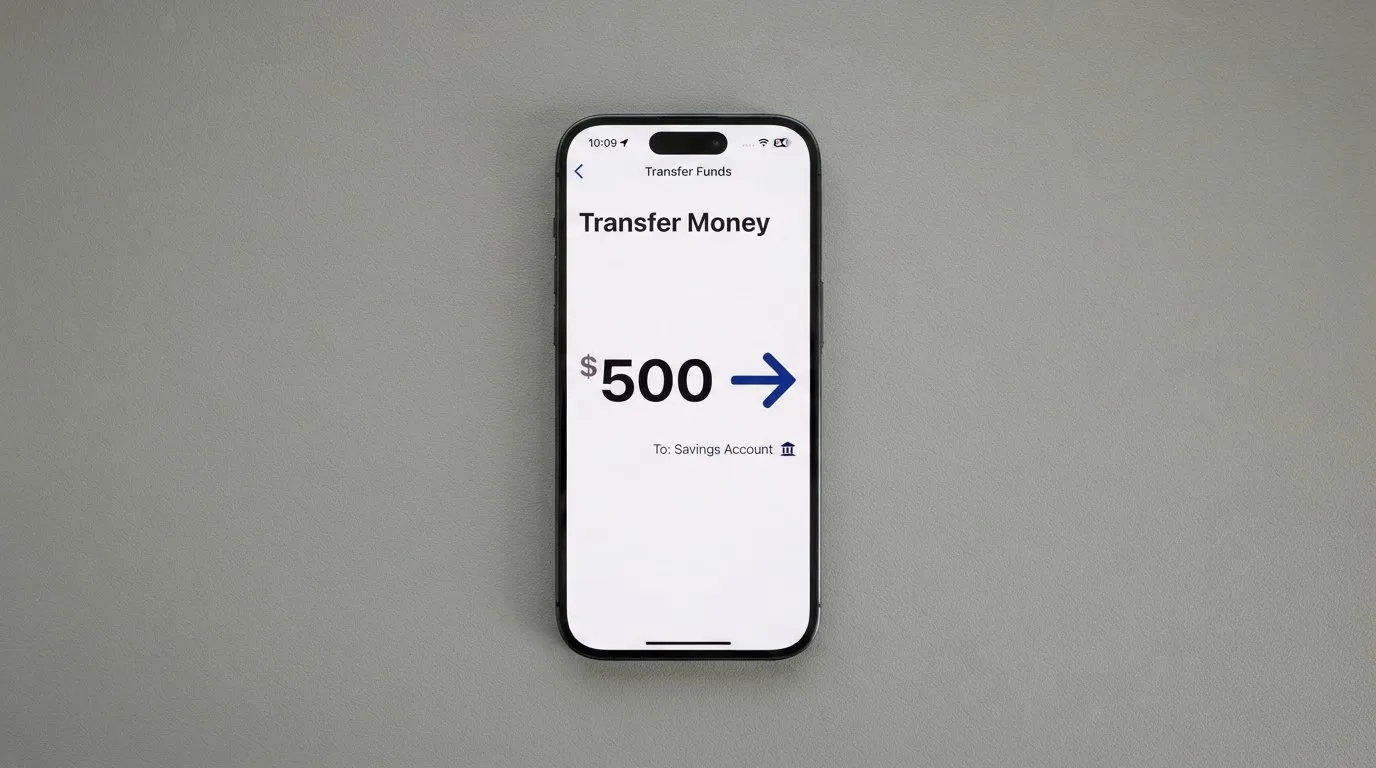
Interac e-Transfer is the everyday route. It is free, the money usually lands in minutes, and Shakepay lists a minimum of $5 and a maximum of $10,000 per transfer. Wire transfer is for larger amounts: free, takes one to two working days, and has a $10,000 minimum. There is no activation fee and no minimum balance requirement on the card itself. Shakepay does not list a crypto deposit fee specific to the card, and the public pages do not describe which coins or networks can be sent to fund the card. If you are holding bitcoin or a stablecoin and want to spend it on this card, the working path is to convert to Canadian dollars in the Shakepay app first and then let the card spend that balance.
The spend limit on the card is $5,000 per transaction, $5,000 per day and $50,000 per month. There is no way to raise those limits. Apple Pay and Google Pay have a per-tap limit of $250, so anything larger has to be a card insert, swipe or higher-value contactless transaction.
A few other things worth knowing about the wallet that backs the card. Closing the card does not close the Shakepay wallet, so the balance is still accessible after the card is gone. Funds in the wallet do not expire with the card. Shakepay does not publish the wallet withdrawal fees in the pages read, so you should check inside the app before you move money out.
Paying with the card every day
The Shakepay card is designed to behave like a regular prepaid card at the till, and on that front it covers the basics well. The physical card is a Visa Prepaid card, and Shakepay supports Apple Pay and Google Pay “where available,” which is the standard caveat because the merchant has to have a contactless terminal that supports tokenised wallets. You can also withdraw cash at PLUS-logo ATMs.
The cashback is the part that makes the card distinctive. Eligible purchases at eligible merchants worldwide earn up to 1.5% cashback in bitcoin, credited automatically to your BTC balance inside Shakepay, and withdrawable to a user wallet. The “eligible” word is doing real work here: Shakepay does not publish a public list of which merchant categories are excluded, so it is worth watching your bitcoin balance after the first few purchases to see what lands. There is no cashback on ATM transactions.
Inside the app, you can manage the card, lock and unlock it, and start a dispute. The dispute section accepts a written notification within 60 days of the transaction. The cardholder agreement also says the dispute has to be received within 90 days or the transaction is treated as accepted, so the practical window is somewhere between 60 and 90 days depending on how you read the two clauses. Visa’s Zero Liability policy covers unauthorised use, but those claims can take up to 120 days after the paperwork is in, and may need a police investigation. Anything you bought or withdrew before reporting the card lost or stolen is, by default, treated as yours.
If a complaint does not resolve with Shakepay directly, the cardholder agreement points to the Ombudsman for Banking Services and Investments (1-888-451-4519) and the Financial Consumer Agency of Canada (1-866-461-3222).
What can go wrong
The card’s setup looks clean, and the company behind it is a regulated Canadian financial-services business. Shakepay is registered with FINTRAC (the financial transactions regulator) under registration number M17065696, and it is a member of CIRO and registered as an investment dealer with the AMF and provincial regulators. The card is issued by Peoples Trust Company under licence from Visa International. None of that makes the funds in the Shakepay wallet CDIC-insured — they are not bank deposits, and the cardholder agreement is explicit about that.
Two risks stand out from a user perspective. The first is the custodial wallet itself. Shakepay holds the balance that the card spends from, so you are exposed to whatever happens to the company. The history of custodial crypto platforms is not reassuring on that front, and there is a long list of past failures at other companies. The card’s safety relies on Shakepay staying solvent and on the regulatory framework continuing to function.
The second risk is the account-freeze pattern that shows up in user reports. Trustpilot shows a score of 2.3 out of 5 for Shakepay, based on 22 reviews, with only one of those reviews mentioning the card directly (a positive one from December 2021). The themes that come up repeatedly across reviews are account freezes and closures without a stated reason, support taking days to respond, delayed or blocked withdrawals and wires, source-of-funds questioning, and at least one report of an unreturned $250 bill payment. Another crypto-card comparison site put the Trustpilot score at around 1.5 out of 5, which differs from the score on Trustpilot itself, so that figure is unconfirmed.
The card itself has standard safety features: instant lock and freeze in the app, two-factor authentication, a 24/7 lost-and-stolen line (1-855-574-2539), and a PIN that disables after three wrong entries. One quirk is that the PIN is set during card ordering and cannot be changed afterwards — if you want a new PIN, you replace the card.
What to take instead
The Shakepay card is one option in a wider category, and the comparison is more useful if you treat it as a feature checklist rather than a ranking. Here are three alternatives, using the same scoring approach:
| Card | Score | What it is | How it differs from Shakepay |
|---|---|---|---|
| Gemini Credit Card | 4.9 / 10 | Mastercard World Elite credit card, paid off in fiat | Tiered cashback (gas/EV/transit 4% on the first $300/month, dining 3%, groceries 2%, other 1%), paid instantly in Bitcoin or 50+ cryptos, with no foreign transaction fees |
| Lava Card | 7.1 / 10 | “Lava Card” usable at 150 million merchants in 150+ countries | No annual fees, no FX fees and no FX spread; up to 5% cashback in bitcoin; deposits in local currency or stablecoins |
| Trastra | 4.1 / 10 | Euro prepaid debit card at Visa merchants worldwide | Available in 31 listed countries, with planned EEA-wide coverage; topped up using cryptocurrencies in the Mover wallet |
The differences worth pulling out:
- If you want a credit card that pays crypto rewards and you can qualify, the Gemini Credit Card has a richer rewards structure than Shakepay, with no foreign transaction fees. The trade-off is that you are dealing with a credit card rather than a prepaid card, and the cashback has to be paid off in fiat each month. Shakepay’s much smaller reward range and its prepaid setup are deliberate: it is built for people who want to spend from a stored balance, not borrow.
- If you are outside Canada and the country rule is the deal-breaker, the Lava Card is the strongest of the three in this comparison. It works at 150 million merchants in 150+ countries, takes deposits in local currency or stablecoins, and the published figures say “no FX fees, and no FX spread” and “up to 5% back in bitcoin.” The conditions of that 5% are not stated, so check the live terms before deciding.
- If you want a prepaid card in Europe, Trastra is an option. It is a prepaid debit card accepted at Visa merchants, denominated in euros, available in 31 listed countries including Germany, France and the UK, and topped up with cryptocurrencies held in a Mover wallet. Shakepay is Canada-only; Trastra is a Europe-only-style option. Neither is a global answer.
The honest read is that the Shakepay card is not the strongest product on the market by raw features, but it does have one specific thing going for it: a clean, simple prepaid card with bitcoin cashback for a Canadian resident who already uses Shakepay. If you are not in that situation, one of the alternatives will almost certainly fit better.
Who I would recommend the Shakepay card to
Three groups get a clear yes:
- Canadian residents who already use Shakepay to buy and sell bitcoin, and who want a simple prepaid card linked to their Shakepay balance. For this group, the card removes a step from the “buy bitcoin, then spend it” loop, and the cashback turns spending into a small recurring bitcoin purchase.
- People who can plausibly hold Blue status in a typical month. The 0% FX charge and 1.5% cashback on Blue is a strong combination for someone who travels or buys online from non-Canadian merchants. The catch is that reaching Blue requires exchanging $1,000 or more in a month, or receiving $2,000 or more in eligible direct deposits, so the card only really pays for itself if you can naturally reach that volume.
- Anyone who wants a card they can lock and unlock in the app, with a clear dispute path and a regulated issuer (Peoples Trust Company) backing it. The combination of app-based freeze, two-factor authentication, and Visa Zero Liability is at least the floor of what a modern prepaid card should offer.
Three groups should probably look elsewhere:
- Anyone outside Canada. The card is not issued outside the country, and Shakepay does not describe a path for non-Canadian residents. The alternatives section has options for the US, Europe and other regions.
- Anyone who wants to spend crypto directly without first converting to fiat. The Shakepay card spends a Canadian dollar balance; the conversion happens in your Shakepay account, not on the card. Cards that take a stablecoin top-up and convert at the point of sale (Lava being one example) match that use case more directly.
- Anyone who is uncomfortable with a custodial wallet. The Shakepay card is backed by a balance Shakepay holds on your behalf, and the funds are not CDIC-insured. If you want to keep control of your private keys, a self-custody-linked card is a different product category, and Shakepay is not in it.
The Shakepay card is a specific product, and it does that specific job reasonably well. The score of 4.3 out of 10 is not a verdict against the card so much as a verdict against the assumption that it has to be everything to everyone. If you are in the “yes” group above, the card is worth a serious look. If you are in the “look elsewhere” group, one of the alternatives is a better starting point.
Frequently asked questions
What is the Shakepay card?
The Shakepay card is a physical Visa Prepaid card issued by Peoples Trust Company under licence from Visa International and marketed by Shakepay in Canada. It spends the Canadian dollar balance in your Shakepay account and pays up to 1.5% cashback in bitcoin on eligible purchases. The card is available only to Shakepay customers in Canada.
How does the Shakepay card work?
You fund your Shakepay account in Canadian dollars (typically by Interac e-Transfer), and the card then draws on that balance at the point of sale. When you pay in a foreign currency, Visa converts the amount and Shakepay adds the foreign-exchange charge that corresponds to your monthly status: 3% on Base, 1.5% on Bright, or 0% on Blue.
Is Shakepay a bank?
No. Shakepay is a Canadian financial-services company registered with FINTRAC (registration number M17065696) and a member of CIRO, but the Shakepay card is a prepaid card issued by Peoples Trust Company under licence from Visa International, and funds in the Shakepay wallet are not CDIC-insured bank deposits.
Can I get the Shakepay card in my country?
Only if you live in Canada. Shakepay issues the card to customers in all 13 Canadian provinces and territories, and no other country is listed. The cardholder agreement does not state residency as a written rule, and Shakepay publishes a list of restricted countries; the practical way to confirm eligibility is to email [email protected].
Does the Shakepay card require identity verification?
Yes. Shakepay says the card is for fully verified accounts at the age of majority in your province or territory, and the setup includes an eligibility questionnaire in the app. Shakepay does not describe a credit check. The exact documents and processing time for verification are not stated in the public pages.
How do I top up the Shakepay card?
You don’t top up the card directly. You fund the Shakepay wallet that the card draws on, usually by Interac e-Transfer (free, minutes, $5 to $10,000) or by wire transfer (free, one to two working days, $10,000 minimum). The card then spends that Canadian dollar balance up to its daily and monthly limits.
Is the Shakepay card free?
The card has no annual fee and is free for fully verified accounts, and Shakepay does not publish an issuance fee. The cost that does apply is the foreign-exchange charge on non-Canadian purchases, which depends on your monthly status: 3% on Base, 1.5% on Bright, and 0% on Blue. ATM operator fees are separate and not described by Shakepay.
How do I add the Shakepay card to Apple Wallet or Google Pay?
Shakepay supports Apple Pay and Google Pay “where available” through the app. The per-tap limit for the mobile wallet is $250, and the card’s overall limits are $5,000 per transaction, $5,000 per day and $50,000 per month. The exact steps live in the app and may differ slightly between iOS and Android.
Where can I use the Shakepay card?
You can use the physical card at any merchant that accepts Visa, plus Apple Pay and Google Pay where the merchant supports tokenised contactless payments. Cash can be withdrawn at PLUS-logo ATMs up to $500 per transaction and $1,000 per day. Shakepay does not publish a list of blocked merchant categories, so the practical answer is “wherever Visa is accepted, subject to the merchant’s own policies.”
Is the Shakepay card safe?
The card has standard safety features: instant lock and freeze in the app, two-factor authentication, a 24/7 lost-and-stolen line, and Visa’s Zero Liability policy for unauthorised use. The Shakepay wallet itself is custodial, meaning Shakepay holds the balance, and the funds are not CDIC-insured. Trustpilot’s score for Shakepay sits at 2.3 out of 5, and user reports mention account freezes, slow support and delayed withdrawals as recurring themes.
Credit and cashback cards – cryptocardchooser.com
Content created by the «cryptocardchooser.com» team